Enclosure Design
Designed the physical housing and packaging approach for the control interface.
University Team Project · AIAA Rocketry
A compact hardware-interface project created for a university rocket team. My contribution focused on translating a launch-support control concept into a physical enclosure with practical component placement, access, wiring packaging, and a clear operator-facing layout.
This page documents enclosure and interface integration work; it does not present operational launch or ignition procedures.
Build scope
The work centered on physical integration: turning a team concept into a compact, inspectable, and usable controller package.
Designed the physical housing and packaging approach for the control interface.
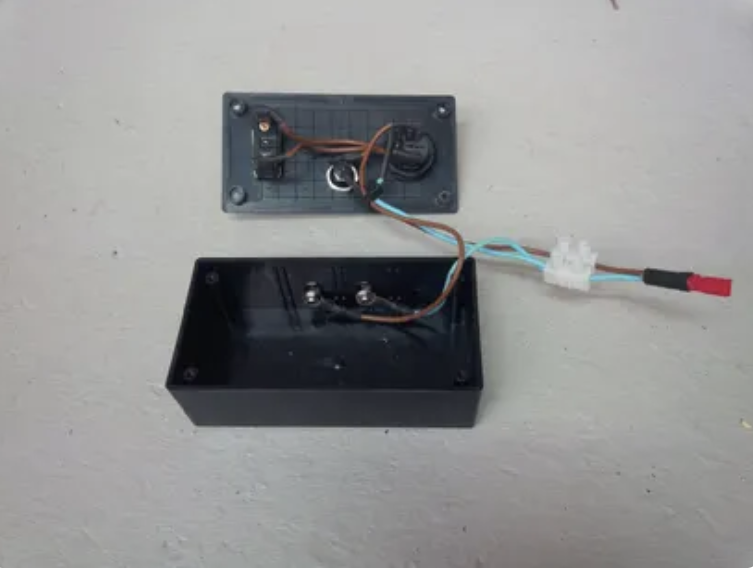
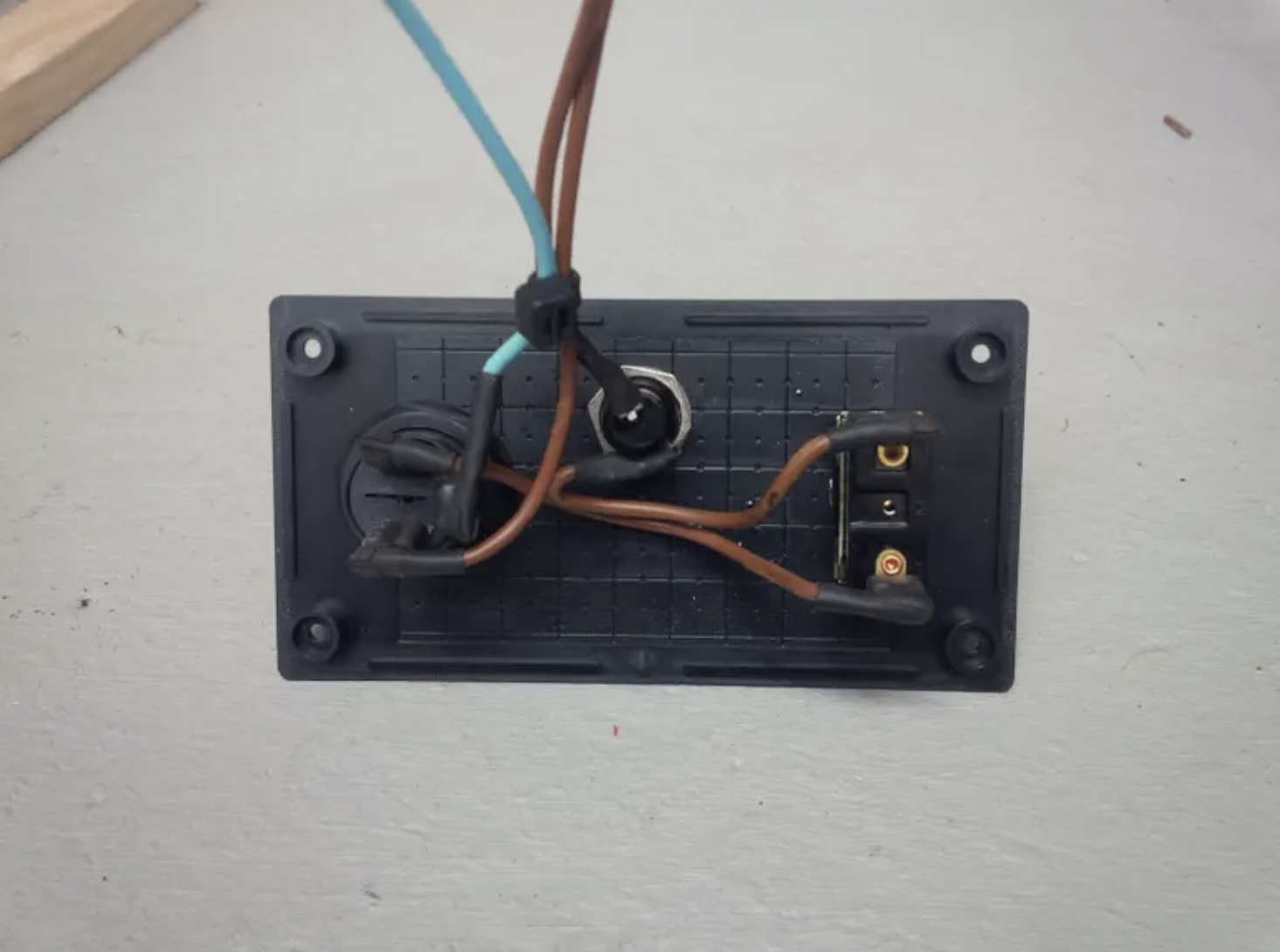
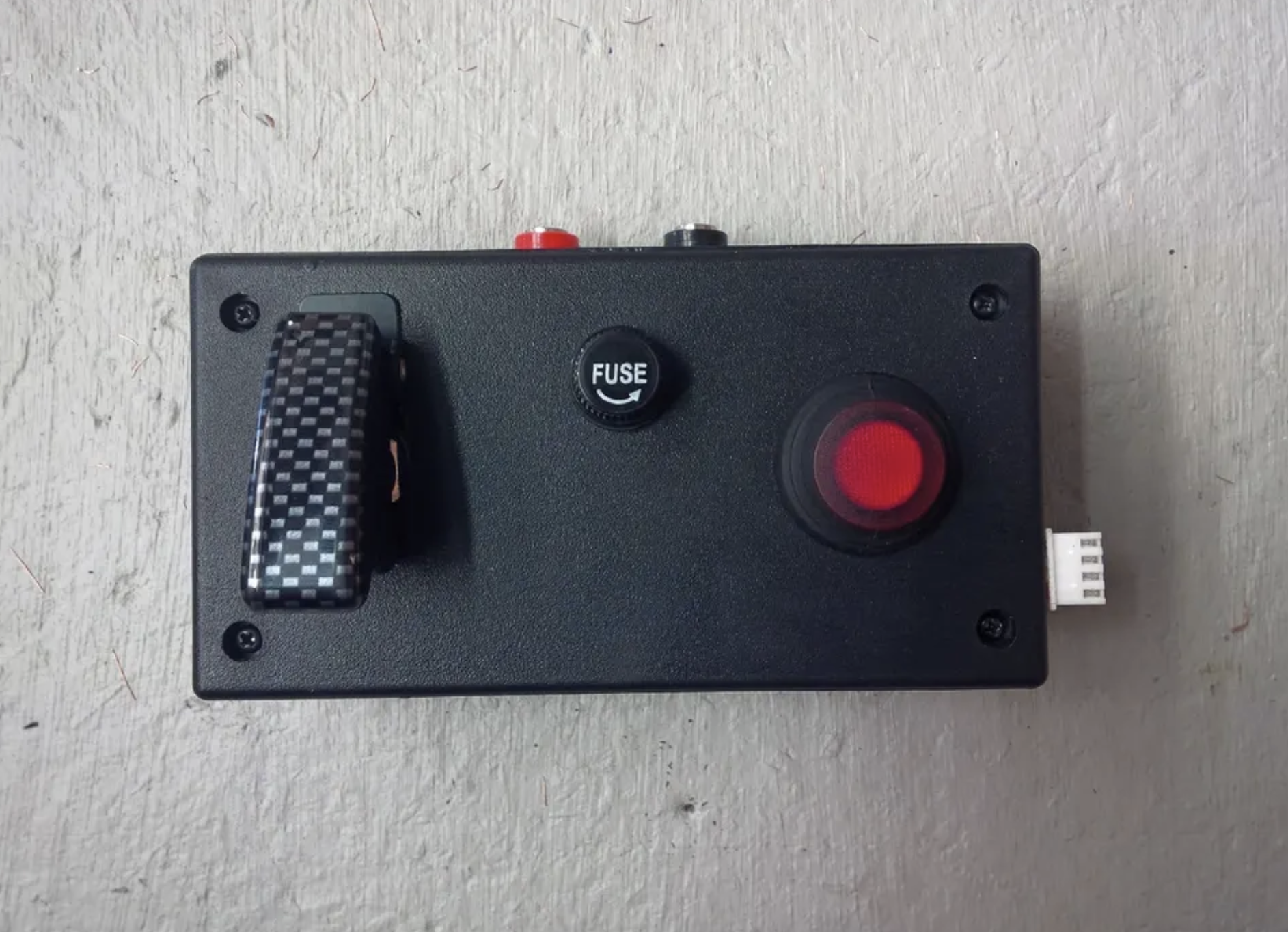
Implemented the panel-mounted controls, indicator, fuse access, and external connection hardware.
Organized component placement, wiring packaging, and access within a compact enclosure.
Assembled and documented the physical hardware as part of the university team project.
Integration mindset
The enclosure needed to make the visible controls, access points, and connector interface easy to understand while keeping the internal layout organized enough for inspection and continued team development.
Panel features and internal hardware were packaged so key parts could be reached without cluttering the interface.
The housing approach emphasized a compact protective form around the controls and internal components.
Mechanical and electrical elements were arranged with visible separation and a readable layout.
The prototype was assembled with maintenance and documentation in mind for a multidisciplinary student team.
Prototype documentation
Physical build photos are included to show the enclosure, panel hardware, and integration workmanship at a recruiter-friendly level.
Operator-facing result
This work was completed as part of a university AIAA team project. The page highlights Nathan Segar’s contribution to the physical control enclosure and interface integration, rather than claiming ownership of the full vehicle or launch system.
What it demonstrates
Translated a system concept into a compact physical interface.
Packaged electrical hardware inside a practical enclosure.
Integrated mechanical, electrical, and usability constraints.
Built and documented a prototype for a multidisciplinary student team.
Case study prepared for portfolio review and recruiter context.