SolidWorks fixture and template design
Created mechanical support designs for lab use while working within experimental constraints.
Undergraduate Research · Microsystems · Spring 2024
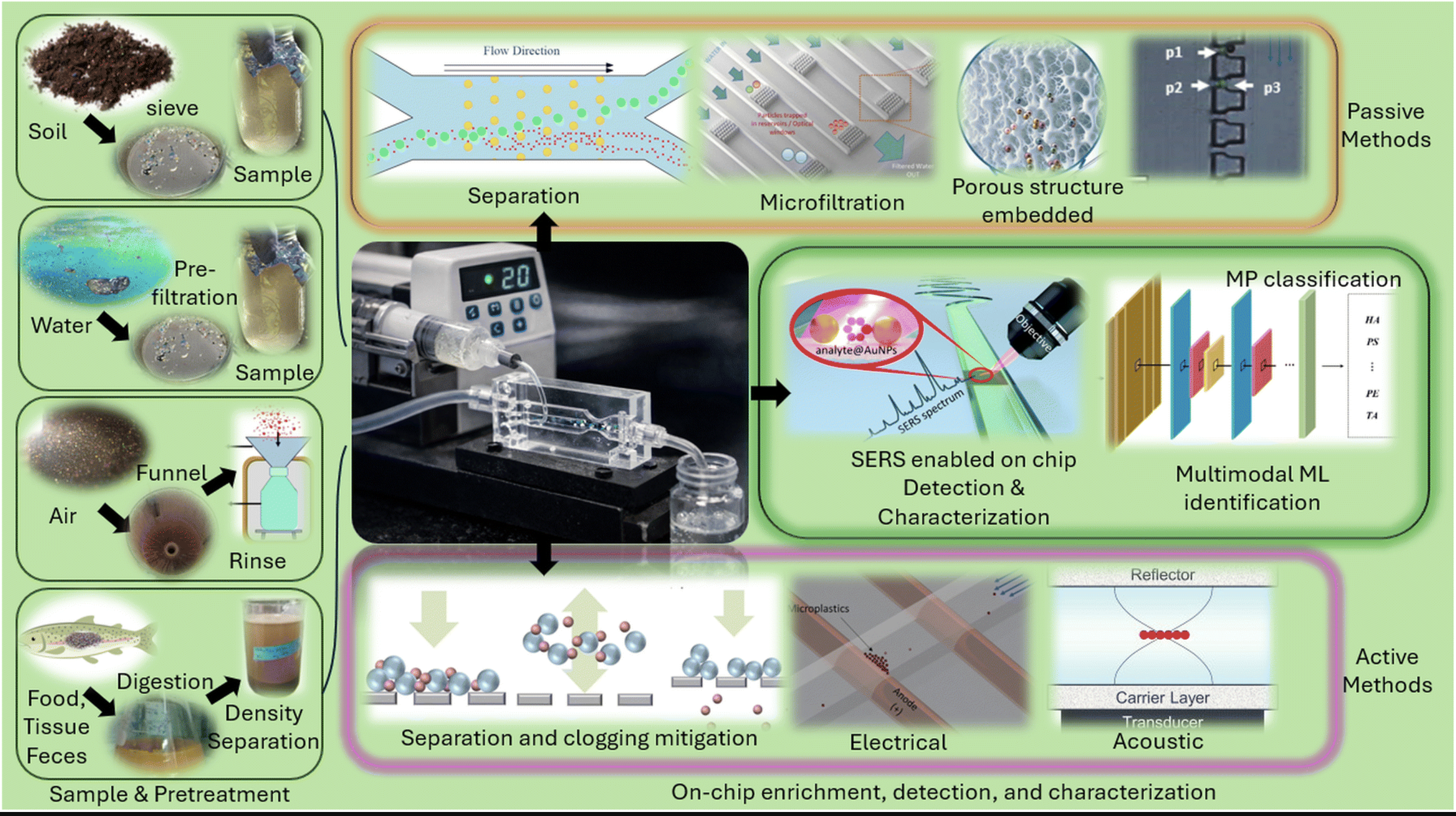
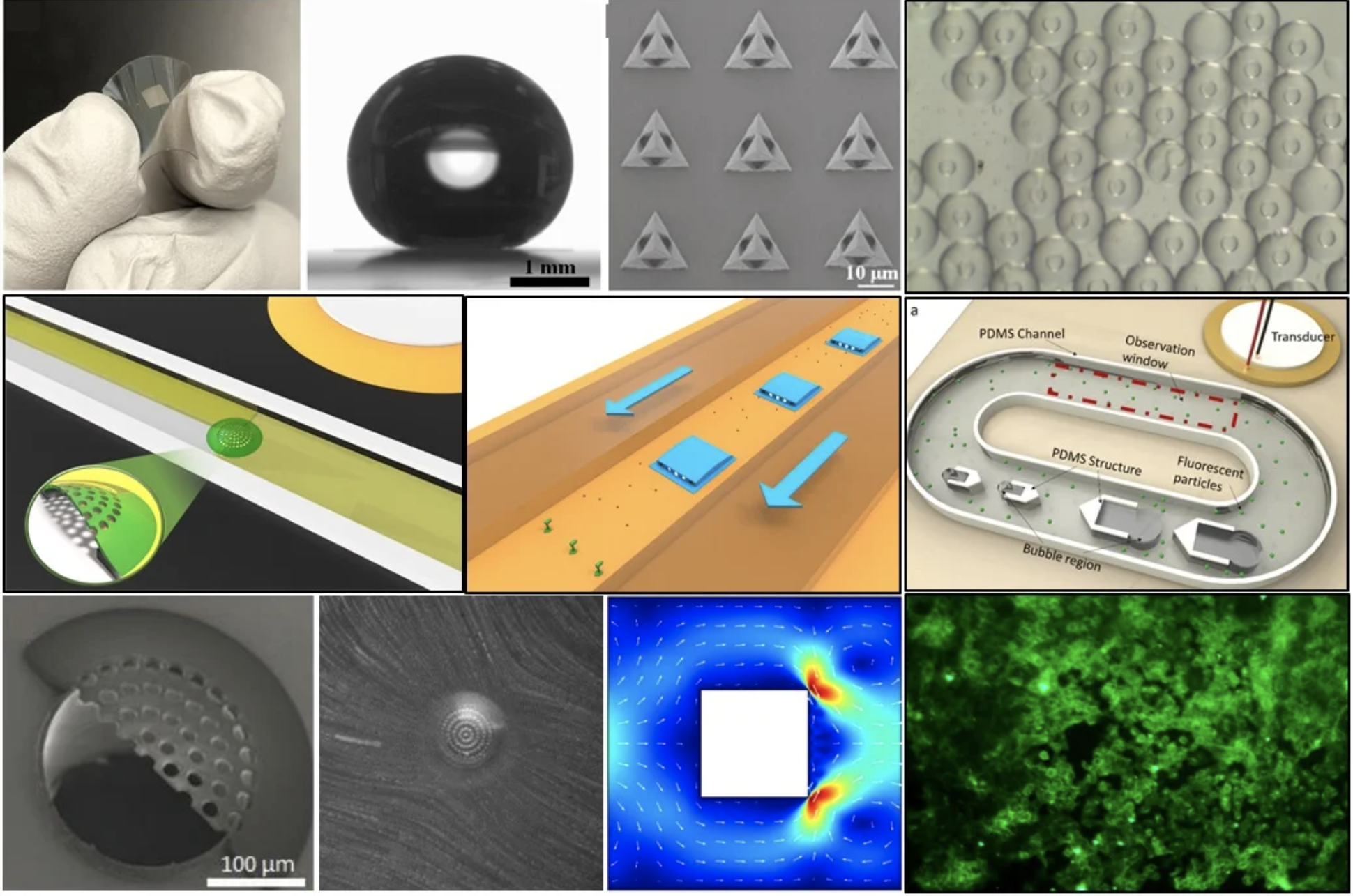
Mechanical engineering contribution to a multidisciplinary microfluidics research project investigating particle separation using traveling surface acoustic waves. My work focused on experimental-support tooling and fixture/template design within a broader microsystems research environment.
Lab environment
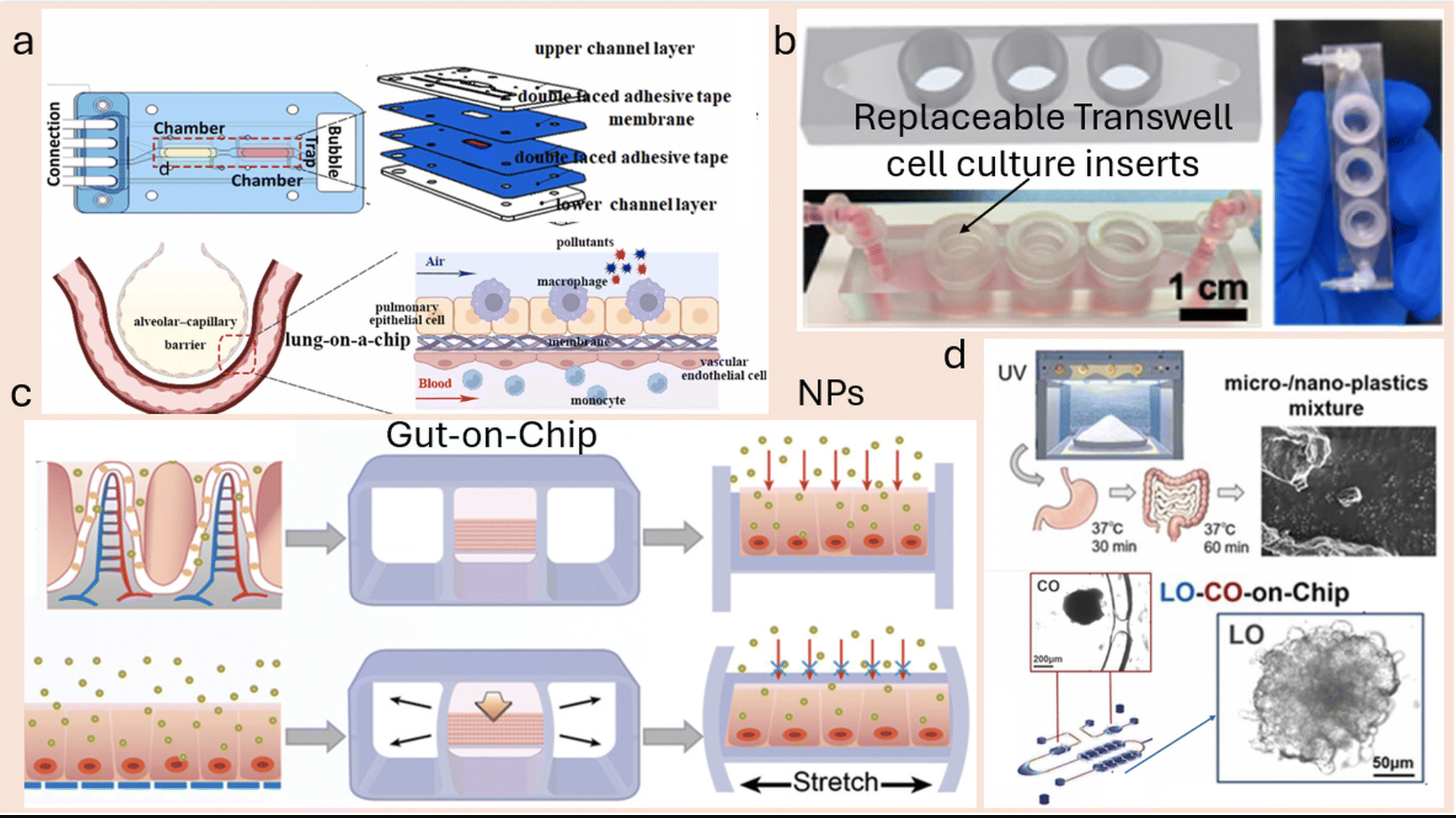
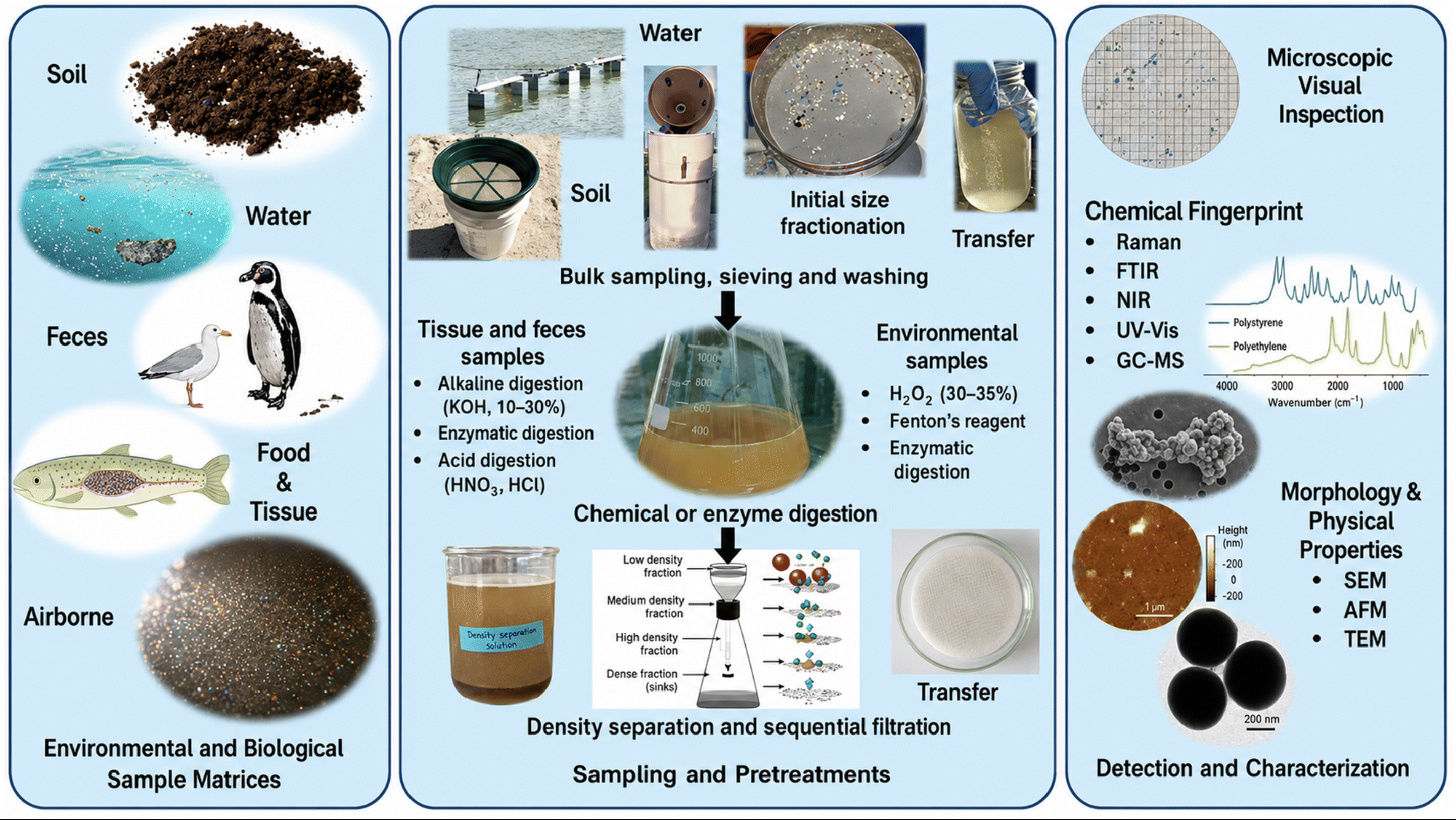
URI’s Microfluidics and Microsystems Laboratory works across microfluidics, acoustofluidics, microfabrication, organ-on-chip technology, and related environmental and biomedical applications. My role fit into that broader research setting as a mechanical engineering contribution supporting experimental tooling and geometry-variant workflows.
Visit URI Microfluidics Lab ↗Related platform
The fixture-design work was completed within URI’s Microfluidics & Microsystems Laboratory research environment. Related platform context is documented in the ASME 2024 conference paper, “Microfluidic Bi-Axial Cell Stretching Platform for Intestinal Epithelial Cell Modeling.” This publication is provided as related device context only; Nathan Segar is not presented as an author of the paper.
View ASME conference record ↗Personal scope
Created mechanical support designs for lab use while working within experimental constraints.
Helped prepare repeatable tooling concepts for different capsule geometries used in the workflow.
Built practical understanding of how microsystems research connects lab methods with design decisions.
Engineering signal
Applying mechanical design thinking where small geometry changes matter.
Connecting CAD work to test setup needs, handling, and repeatability.
Gaining exposure to microscale flow systems and acoustically driven particle behavior.
Working inside a multidisciplinary environment with mechanical, microfluidic, and research needs.
Next step
Connect with me about microsystems, mechanical design, experimental tooling, or research support work.