University Team Project · Radiation Detection
Radiation Detection Robot Prototype
A university design-and-prototype project focused on a mobile robot concept for remotely surveying radiation sources in a controlled room-scale environment. The report documents a custom 3D-printed body concept, detector packaging, sonar-based mapping intent, motor-control work, and a cautious path toward data visualization rather than a completed certified system.
Problem framing
Project Objective
The report frames the engineering problem around reducing human exposure during radioactive spill detection. The team was tasked with improving on a prior robot concept and developing a robot capable, by design intent, of scanning a 12 ft by 12 ft room within a 30-minute window while locating radiation sources or spills and relaying usable location information.
The project remained a university prototype-development effort. The report discusses design intent, packaging, detector selection, coding concepts, and limitations; it does not present the robot as a certified, field-deployed, production-ready, or fully validated radiation-surveying system.
Mechanical design
Mechanical Packaging & Enclosure Design
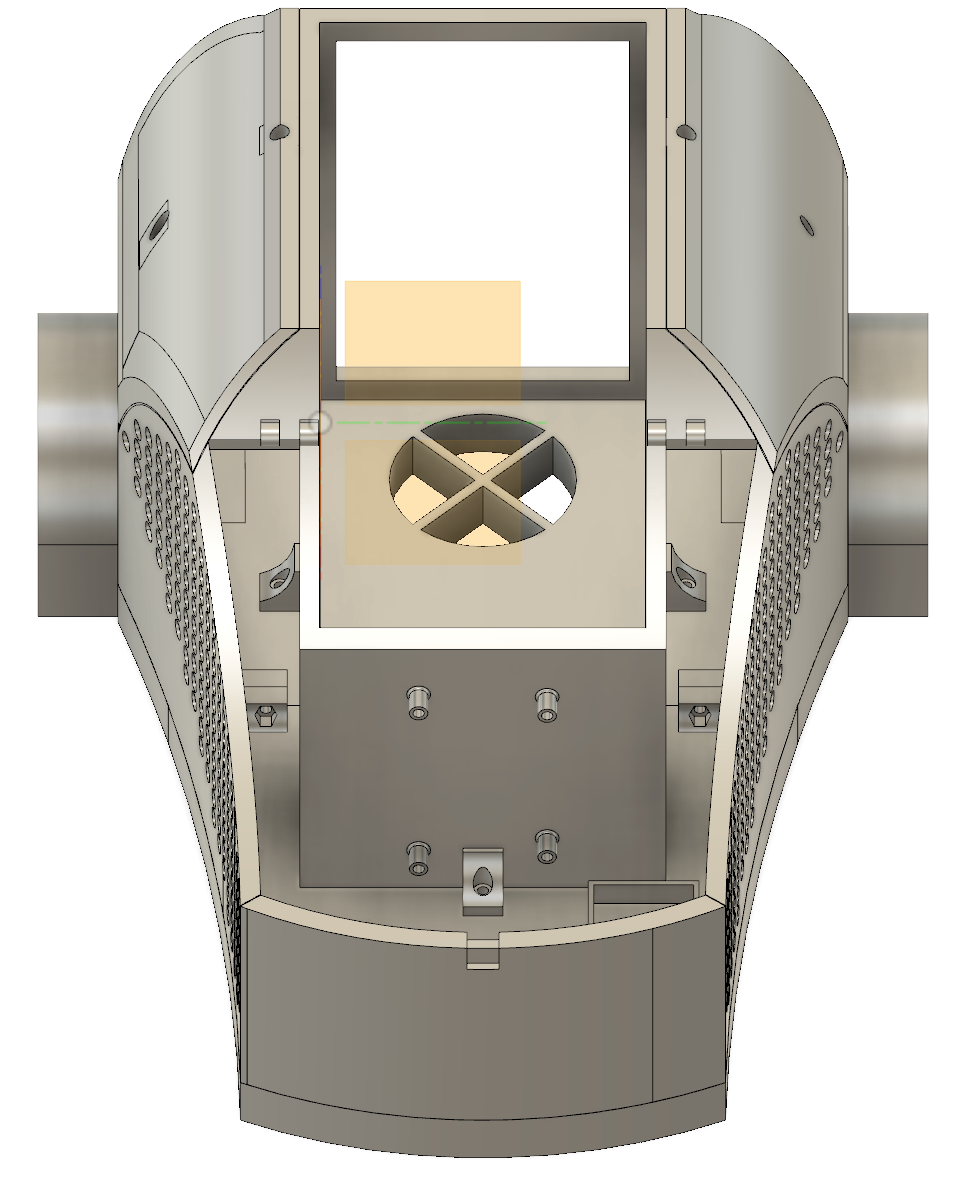
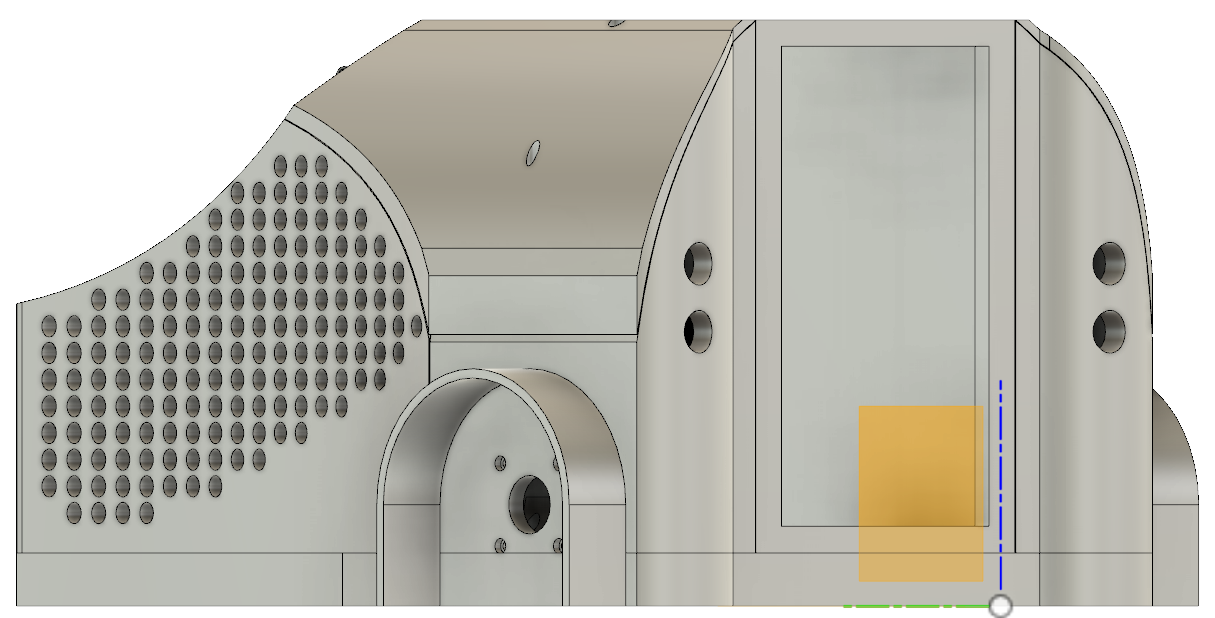
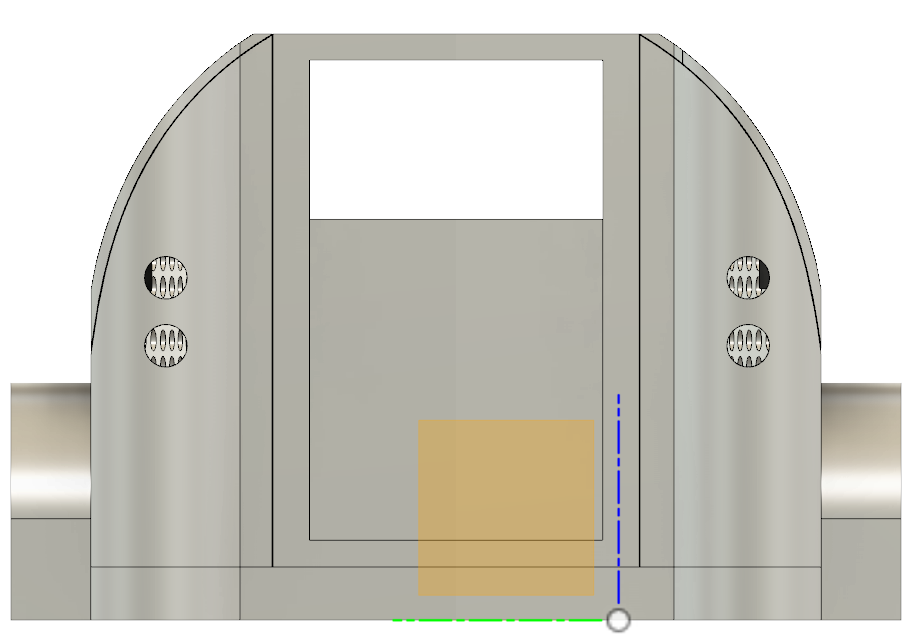
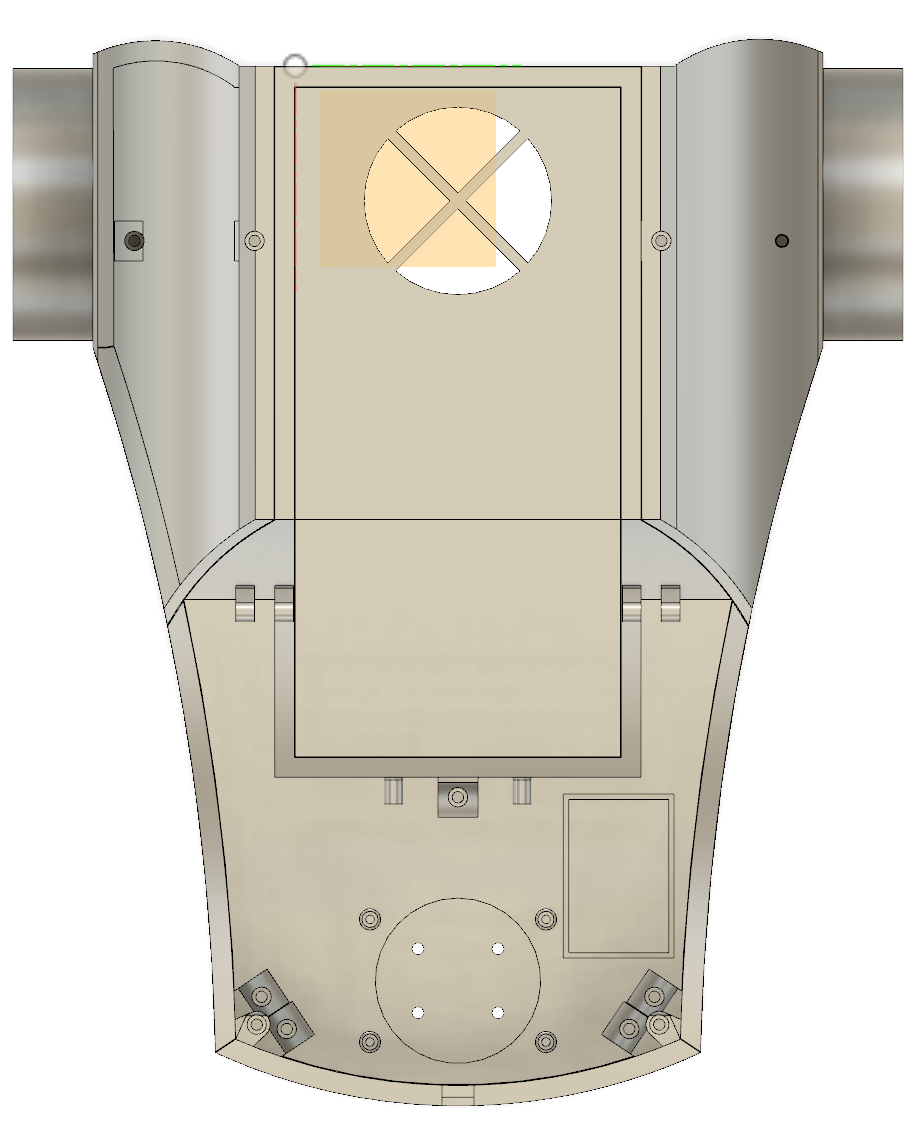
The final design described in the report used a 3D-printed body with separate areas for the radiation detector and electronics. The body was divided into printed sections and assembled mechanically because of printer-size and geometry constraints.
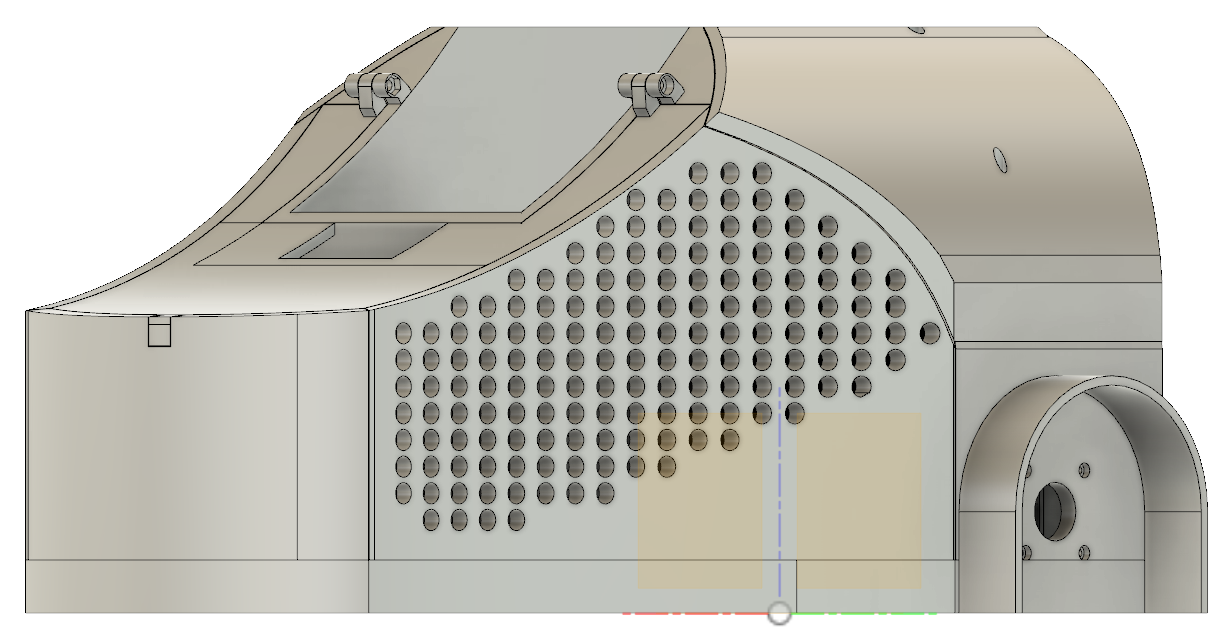
Visible CAD features include a low-profile body layout, access-panel style packaging, wheel and sensor mounting considerations, and patterned side openings. The report states that side holes were used to increase airflow to electronics and reduce material use, and that the detector compartment included a gap so the detector section was not blocked by the body.
Prototype evidence
Prototype Hardware & Motor Testing
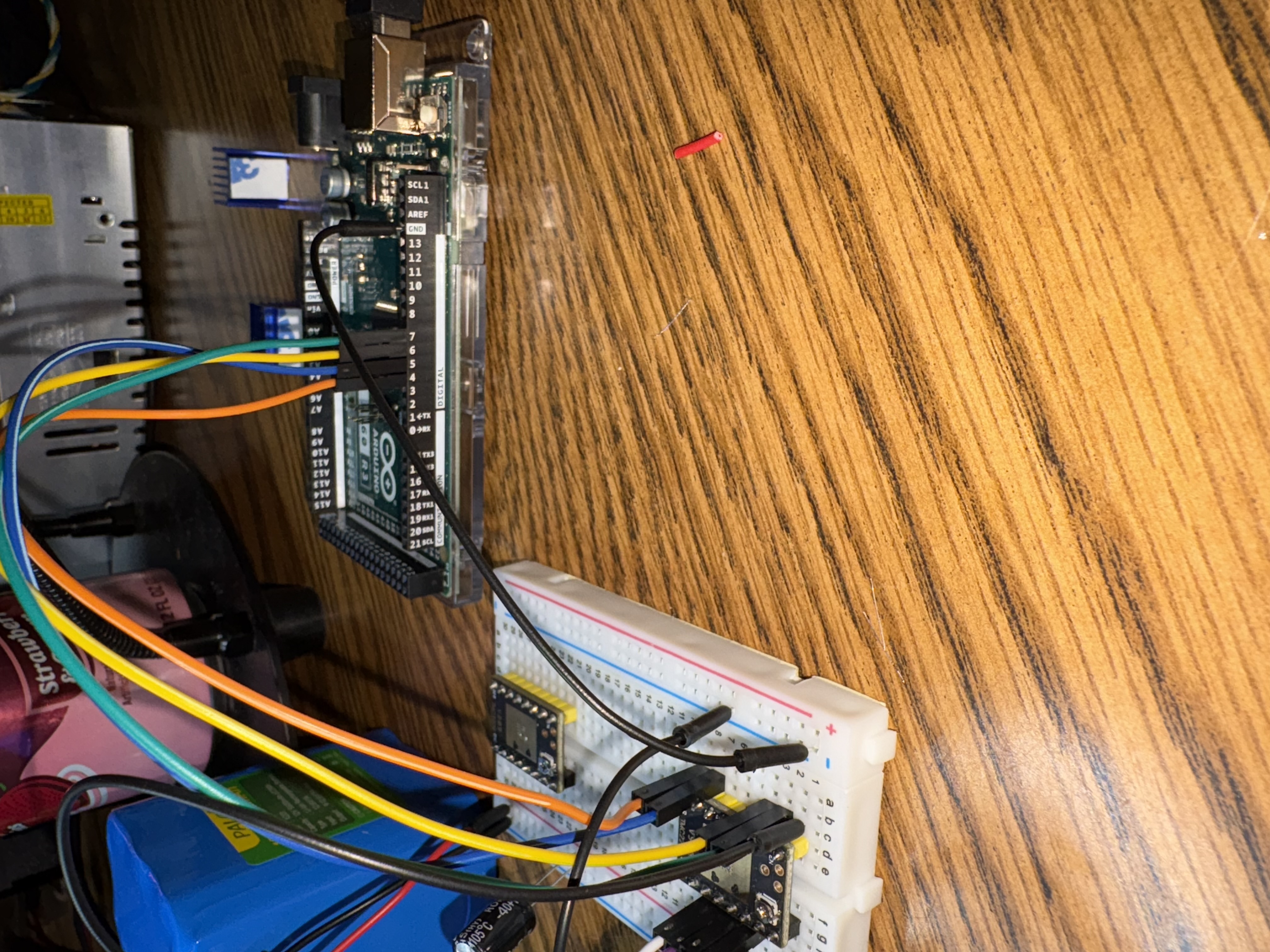
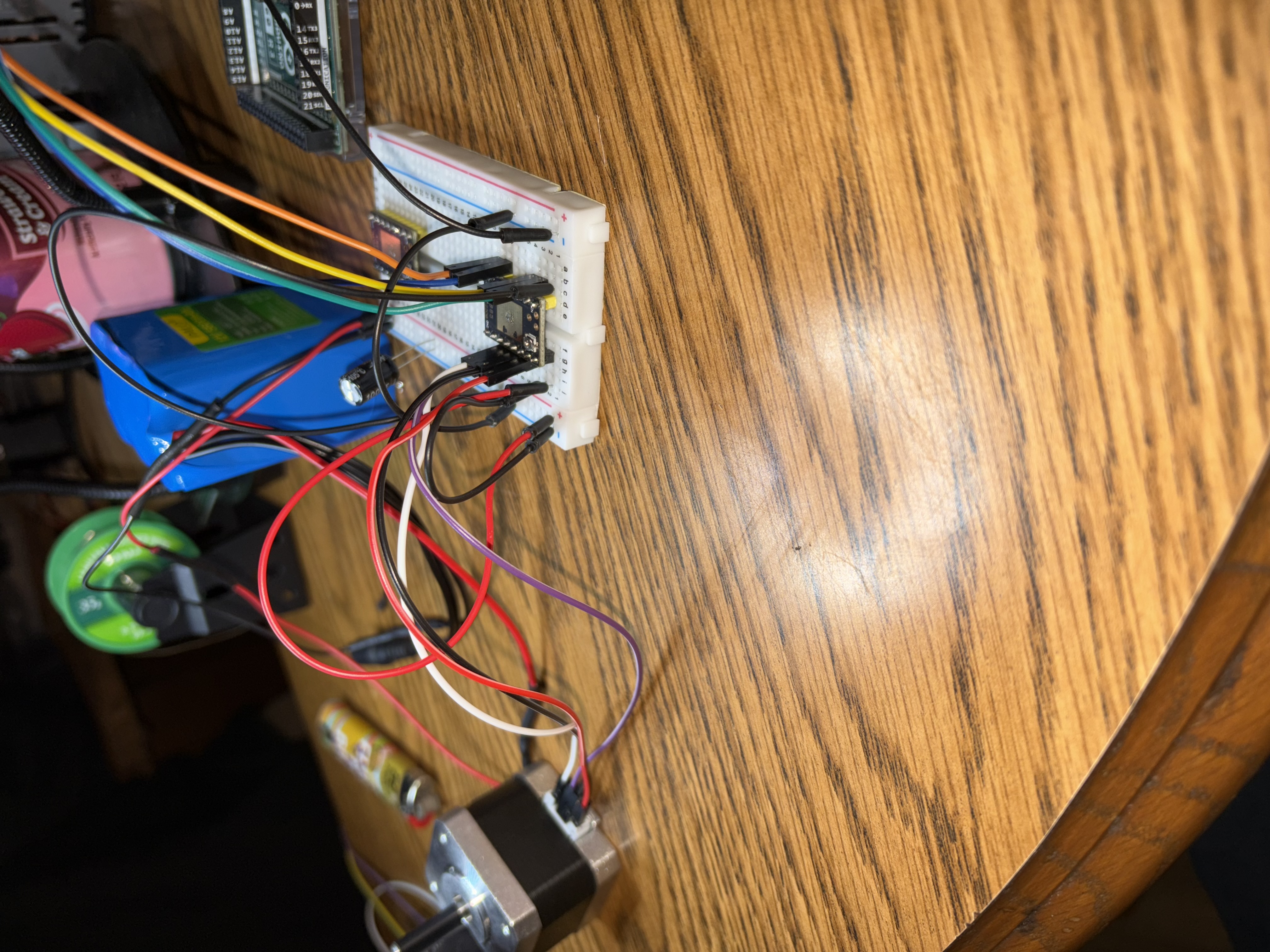
The report notes that motors from the previous robot were reused after analysis indicated they could provide enough drive for the new design goals. It also describes sonar sensors from the previous robot as part of the area-mapping approach.
The hardware photos are included as prototype-development evidence: Arduino/breadboard control setup and motor-testing work. They should be read as integration and test artifacts, not as proof of completed autonomous operation, performance metrics, or full system validation.
Sensing concept
Radiation Sensing & Motion-Control Concept
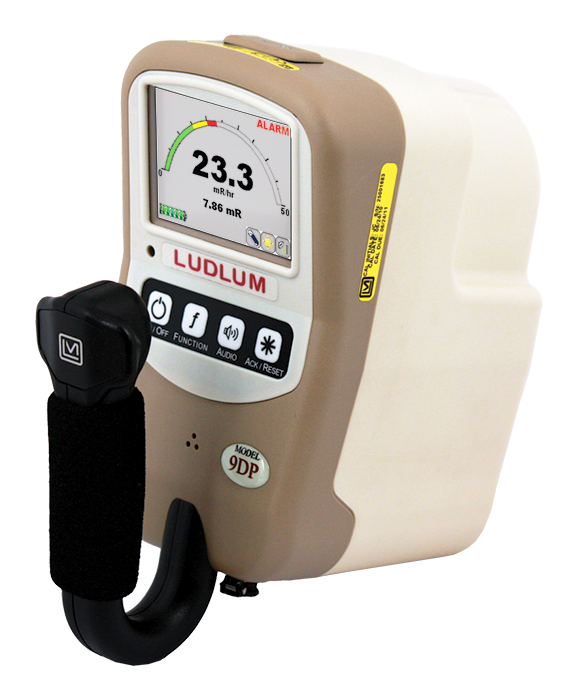
The final report states that the robot used a Ludlum 9DP compensated ion chamber as the radiation detector. The report also discusses detector/source limitations, including the challenge of using the ion chamber with the provided low-activity Thorium-232 source and the preference for a Geiger-Muller counter under the project’s time-limited scanning assumptions.
On the control side, the report describes the intent to scan a 12 ft by 12 ft room within 30 minutes, convert detector output into a graphical representation, reuse sonar sensors for area mapping, and reason about required wheel speed for the design target. These concepts are presented as design and prototype-development work rather than completed field validation.
CAD package
CAD Development Views
Click any CAD view to open the full-size local asset in a new tab.
Report
Documentation
The final report documents the project challenge, design assumptions, detector/source limitations, 3D-printed body concept, electronics/control approach, mapping and graphing concepts, and prototype-development work.